Best Radiance Facial
Explore How Dermaplaning Can Enhance Your Skincare Routine
Dermaplaning is becoming a popular approach to enhance skincare regimens. This treatment involves exfoliating the skin by removing dead cells and fine vellus hair. Numerous individuals are interested in its potential to enhance product absorption and create a smoother makeup application. Yet, questions arise about its benefits, frequency, and proper aftercare. Grasping these aspects could significantly impact one's skincare journey. What should individuals consider before pursuing this treatment?
What Is Dermaplaning and How Does It Function?
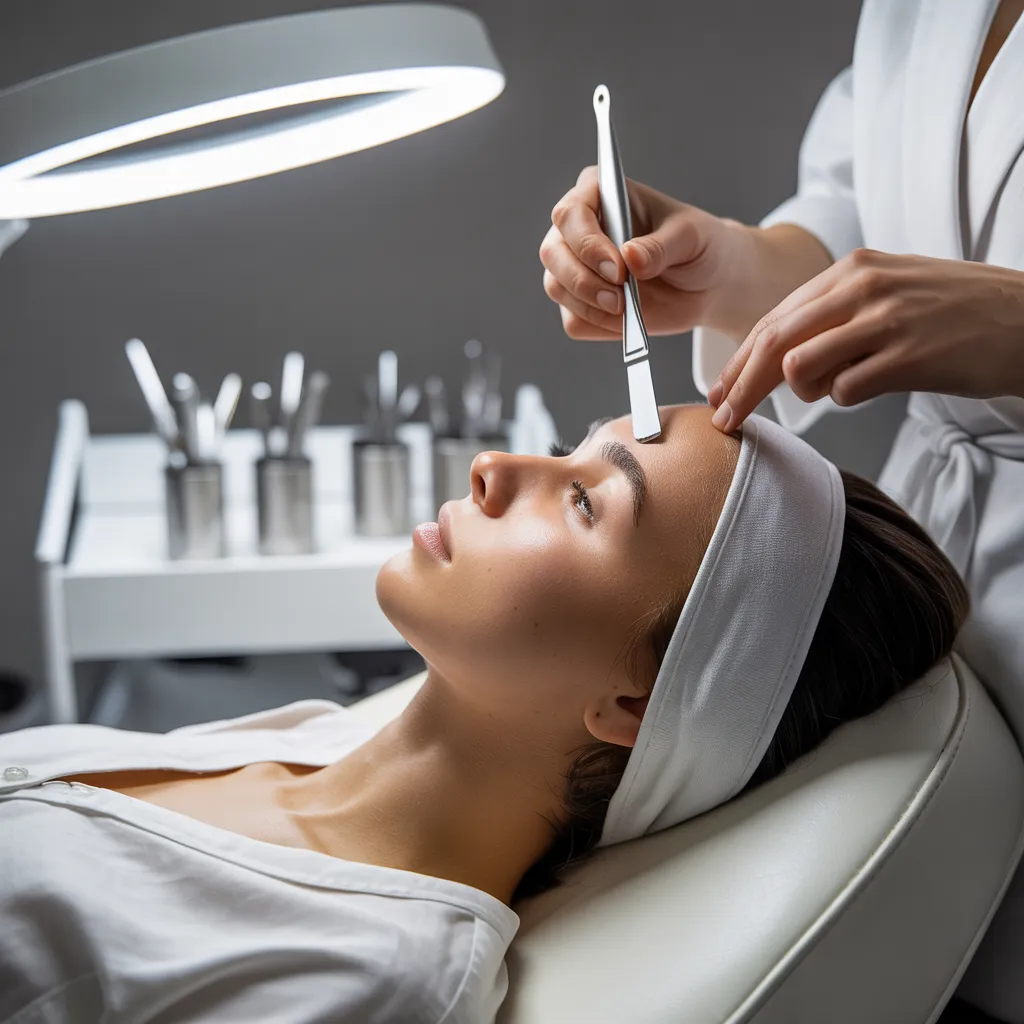
Dermaplaning is a widely-used skincare procedure that focuses on the precise exfoliation of the outer skin layer. This treatment utilizes a sanitized surgical blade to delicately eliminate dead skin cells and fine vellus hair, commonly called "peach fuzz." By clearing away these layers, dermaplaning supports a silkier skin texture and boosts the absorption of skincare formulations. The process typically takes around 30 minutes and is performed by a licensed skincare professional. It is appropriate for multiple skin types but might not be advised for people with active acne or specific skin concerns. After the procedure, skin may seem somewhat red but usually rebounds swiftly. Dermaplaning is commonly combined with extensive skincare routines to obtain superior results.
Perks of Dermaplaning for Your Skin
The advantages of dermaplaning reach beyond basic exfoliation, offering a range of benefits for skin health and appearance. This technique effectively removes dead skin cells and vellus hair, creating a smoother skin texture. By encouraging cell turnover, dermaplaning enhances skin radiance and enables better absorption of skincare products, maximizing their effectiveness. Furthermore, it can help minimize the appearance of fine lines and acne scars, resulting in a more youthful look. Many people notice a reduction in the frequency of breakouts post-treatment, as unclogged pores lead to healthier skin. Furthermore, dermaplaning can create a flawless canvas for makeup application, providing a seamless finish. In summary, this technique is a valuable addition to any skincare regimen.
How Frequently Should You Dermaplane?
What is the ideal frequency for dermaplaning for perfect skin health? Typically, it is suggested to dermaplane every 3-4 weeks. This timing permits the skin to completely regenerate and delivers optimal results by clearing away dead skin cells and peach fuzz. However, specific skin types and conditions may determine this frequency. For those with acne-prone or sensitive skin, more spaced out intervals may be beneficial to minimize irritation. Alternatively, individuals with tougher skin or more noticeable dead skin buildup might find value in more frequent treatments. It is important to tune into the skin and consult with a skincare professional to establish the best schedule adapted to specific needs and goals. Proper timing can significantly enhance the complete effectiveness of your skincare routine.
Prepping Your Skin for Dermaplaning
Achieving ideal results from dermaplaning relies heavily on proper skin preparation. Prior to starting the process, it is crucial to thoroughly cleanse the skin to eliminate any makeup, dirt, or oils. This guarantees that the dermaplaning tool can glide smoothly across the surface, maximizing effectiveness. Exfoliating gently a day prior can help clear dead skin cells, but avoid harsh scrubs to prevent irritation. Hydration is also essential; using a hydrating serum can prep the review article skin and enhance the procedure's effectiveness. Furthermore, it is recommended to avoid sun exposure and harsh skincare products, such as retinoids, for a few days before the treatment. These steps collectively result in a successful dermaplaning experience, promoting smoother and brighter skin.
Post-Treatment Guidelines for Best Results
Effective aftercare is crucial for sustaining the benefits of dermaplaning and ensuring ideal skin health. Right away post-treatment, it is essential to avoid sun exposure. Wearing a broad-spectrum sunscreen with at least SPF 30 protects the freshly exfoliated skin and avoids potential damage. Additionally, individuals should abstain from using harsh chemicals, such as retinoids or AHAs, for a few days to allow the skin to recover. Keeping the skin hydrated with a gentle moisturizer can improve healing and encourage a radiant complexion. It is also recommended to avoid strenuous exercise and hot environments for 24 hours to minimize irritation. By following these aftercare recommendations, individuals can maximize the transformative effects of dermaplaning, achieving healthier and smoother skin.
Frequently Asked Questions
Is Dermaplaning Safe for All Skin Types?
Dermaplaning is generally safe for most skin types, including sensitive skin. However, anyone with active acne, eczema, or rosacea should speak with a dermatologist before undergoing the procedure to verify the treatment is suitable for their particular conditions.
Should I Dermaplane at Home or Consult a Professional?
You can dermaplane at home using suitable tools and techniques, but expert treatments guarantee safety and ideal results. Specialists suggest consulting a dermatologist to determine the optimal approach based on individual skin type and concerns.
Does Dermaplaning Help With Acne Scars?
Dermaplaning can help reduce the appearance of acne scars by exfoliating the skin, encouraging cellular renewal, and enhancing skin texture. However, results vary, and you should consult a professional for individualized treatment guidance.
What Is the Average Length of a Dermaplaning Session?
An average dermaplaning session lasts between 30 to 45 minutes. This time period includes preparing the skin, the actual dermaplaning procedure, and post-treatment care to provide optimal results and skin health.
Does Dermaplaning Cause Any Side Effects?
Dermaplaning may cause temporary side effects, including redness, sensitivity, and mild irritation. In rare cases, it might cause breakouts or infections if adequate aftercare is not followed. Consulting a professional is suggested beforehand.